Back to Main Blog Page


How to Save Money and Still Have Fun While RV Camping
How to Save Money and Still Have Fun While RV Camping
Author: Caleb Summeril in Finance
01-17-2020
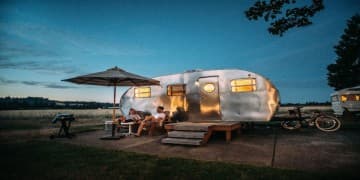
It is possible to save money while RVing and still have fun! RV camping is a truly magical experience. If you are a lover of travel and the outdoors, the lifestyle RV camping affords is a really unique way to enjoy elements of both. Plus, it is a really comfortable way to enjoy camping as you can bring along many more creature comforts than you are able to with regular tent camping or backpacking. If you are curious about RV camping but have yet to commit due to whatever reason, hopefully your time spent on the RVingUSA.com site will help point you in the right direction. I promise you won’t be disappointed with whatever extent you choose to pursue RVing.
If you think RV camping is an expensive endeavor and that’s what keeping you from pursuing it, you’d be surprised at how affordable it actually can be. Yes, you have the initial expense of an RV, but once you have that figured out your only other expenses are gas, food, and the cost of the campgrounds. This style of adventuring can be far more affordable than other forms of travel or vacation, believe it or not. Once you get the hang of it, you can even save money while out on the road if you have a remote income or enough in the bank for some long-term travel. Pinching pennies doesn’t mean that you have to sacrifice any of the fun involved with the pursuit, however. Here is a look at how to save money and still have plenty of fun while RV camping.
Plan Ahead and Be Prepared
As with any sort of travel, the more you can plan ahead and be prepared, the more you’ll be able to deal with any sudden issues or concerns that pop up that can lead to added costs. With RV camping one of the biggest things you can do ahead of time is make sure your vehicle is running well and any maintenance issues are addressed before hand. This can save you some serious cash in the long run as a breakdown in the middle of nowhere can lead to an expensive tow bill. If the issue was something that could have been prevented with routine checkups, you’ll be kicking yourself when you have to pay the bill out on the road.
I’d also recommend bringing a good set of tools so you can fix any small repairs yourself while out and about. Even if you are not an experience mechanic, having tools on board can allow easy fixes to be addressed and save you the money that you would pay a mechanic. I can’t tell you how many times I’ve had friendly people with far more mechanical knowledge and experience lend a hand when the RV is broken down. Fellow RVers are always happy to help and good Samaritans still exists everywhere.
Related Read: RV Living: Necessary Tools and How to Store Them
You should also make sure your rig is stocked with the staples – any basic food and supplies that you can think of. It’s a lot cheaper to purchase these items at a big box store back home than at an RV campground. It might not seem like much, but these items add up over time. You have plenty of room on your RV so bring along the essentials including: canned food, cleaning supplies, condiments, cooking utensils, and any other basic necessity.
Cut Out the Extras
When trying to save money, it pays to cut out any extra expense that you really don’t need. Instead of going out for coffee every day, bring along your favorite beans and brewing method. Rather than eating expensive food from the general store or visiting a local restaurant, stop by a grocery store and cook your own delicious food. You don’t have to by the latest and greatest camping gadgets or inventions to have a great time, stick to the basic, people have been doing that a long time!
You should also take into consideration the costs of an RV campground. You might not need to use full hookups at every stay and could get away with paying a cheaper fee rather than pay the cost for full use of electrical and water. This can save you on average $10 or more and if you add that up over a couple of weeks or months, you can see how easy it is to start saving. You can also save some money by choosing cheaper RV campgrounds. If you don’t need all of the amenities of a full-fledge RV resort, choose a more basic option that will also be more affordable.
Build A Budget
Oh budgeting. It is definitely not one of my favorite activities but even though I avoided the process of it early on in my RVing life, nowadays I would never leave home without one. By building a proper budget, you can get a rough idea of all of the expenses you’ll have over the course of a trip. Looking at these type of things on paper can be a big benefit and allow you to cut out unnecessary expenses before you leave town. Budgets don’t have to be followed exactly so don’t get down on yourself if you go over slightly. It’s a good habit to get in to and can save some serious cash over the course of your RV adventures. You can be as loose or as exact with an RV trip budget as you want to be, the practice and habit is more important than the final result.
Related Read: Budgeting Expenses as a Fulltime RVer
In the grand scheme of things, small steps towards cutting costs can pay dividends in the long run. A few bucks saved here and there and turn into hundreds which can turn into thousands over time. You don’t have to break the bank to go out RVing. It really can be a budget travel style if you follow the tips above and make a steady effort to cut out some extra costs. And that doesn’t mean that you will miss out on any of the fun!
Tags:Budget, Finance, Savings, Tips
How to Save Money and Still Have Fun While RV Camping
It is possible to save money while RVing and still have fun! RV camping is a truly magical experience. If you are a lover of travel and the outdoors, the lifestyle RV camping affords is a really unique way to enjoy elements of both. Plus, it is a really comfortable way to enjoy camping as you can bring along many more creature comforts than you are able to with regular tent camping or backpacking. If you are curious about RV camping but have yet to commit due to whatever reason, hopefully your time spent on the RVingUSA.com site will help point you in the right direction. I promise you won’t be disappointed with whatever extent you choose to pursue RVing.
If you think RV camping is an expensive endeavor and that’s what keeping you from pursuing it, you’d be surprised at how affordable it actually can be. Yes, you have the initial expense of an RV, but once you have that figured out your only other expenses are gas, food, and the cost of the campgrounds. This style of adventuring can be far more affordable than other forms of travel or vacation, believe it or not. Once you get the hang of it, you can even save money while out on the road if you have a remote income or enough in the bank for some long-term travel. Pinching pennies doesn’t mean that you have to sacrifice any of the fun involved with the pursuit, however. Here is a look at how to save money and still have plenty of fun while RV camping.
Plan Ahead and Be Prepared
As with any sort of travel, the more you can plan ahead and be prepared, the more you’ll be able to deal with any sudden issues or concerns that pop up that can lead to added costs. With RV camping one of the biggest things you can do ahead of time is make sure your vehicle is running well and any maintenance issues are addressed before hand. This can save you some serious cash in the long run as a breakdown in the middle of nowhere can lead to an expensive tow bill. If the issue was something that could have been prevented with routine checkups, you’ll be kicking yourself when you have to pay the bill out on the road.
I’d also recommend bringing a good set of tools so you can fix any small repairs yourself while out and about. Even if you are not an experience mechanic, having tools on board can allow easy fixes to be addressed and save you the money that you would pay a mechanic. I can’t tell you how many times I’ve had friendly people with far more mechanical knowledge and experience lend a hand when the RV is broken down. Fellow RVers are always happy to help and good Samaritans still exists everywhere.
Related Read: RV Living: Necessary Tools and How to Store Them
You should also make sure your rig is stocked with the staples – any basic food and supplies that you can think of. It’s a lot cheaper to purchase these items at a big box store back home than at an RV campground. It might not seem like much, but these items add up over time. You have plenty of room on your RV so bring along the essentials including: canned food, cleaning supplies, condiments, cooking utensils, and any other basic necessity.
Cut Out the Extras
When trying to save money, it pays to cut out any extra expense that you really don’t need. Instead of going out for coffee every day, bring along your favorite beans and brewing method. Rather than eating expensive food from the general store or visiting a local restaurant, stop by a grocery store and cook your own delicious food. You don’t have to by the latest and greatest camping gadgets or inventions to have a great time, stick to the basic, people have been doing that a long time!
You should also take into consideration the costs of an RV campground. You might not need to use full hookups at every stay and could get away with paying a cheaper fee rather than pay the cost for full use of electrical and water. This can save you on average $10 or more and if you add that up over a couple of weeks or months, you can see how easy it is to start saving. You can also save some money by choosing cheaper RV campgrounds. If you don’t need all of the amenities of a full-fledge RV resort, choose a more basic option that will also be more affordable.
Build A Budget
Oh budgeting. It is definitely not one of my favorite activities but even though I avoided the process of it early on in my RVing life, nowadays I would never leave home without one. By building a proper budget, you can get a rough idea of all of the expenses you’ll have over the course of a trip. Looking at these type of things on paper can be a big benefit and allow you to cut out unnecessary expenses before you leave town. Budgets don’t have to be followed exactly so don’t get down on yourself if you go over slightly. It’s a good habit to get in to and can save some serious cash over the course of your RV adventures. You can be as loose or as exact with an RV trip budget as you want to be, the practice and habit is more important than the final result.
Related Read: Budgeting Expenses as a Fulltime RVer
In the grand scheme of things, small steps towards cutting costs can pay dividends in the long run. A few bucks saved here and there and turn into hundreds which can turn into thousands over time. You don’t have to break the bank to go out RVing. It really can be a budget travel style if you follow the tips above and make a steady effort to cut out some extra costs. And that doesn’t mean that you will miss out on any of the fun!
Leave a Comment
Comments
No comments yet. Be the first to share your thoughts!